


Going Blonde From Dark Hair: What to Expect From Your First Session and Beyond
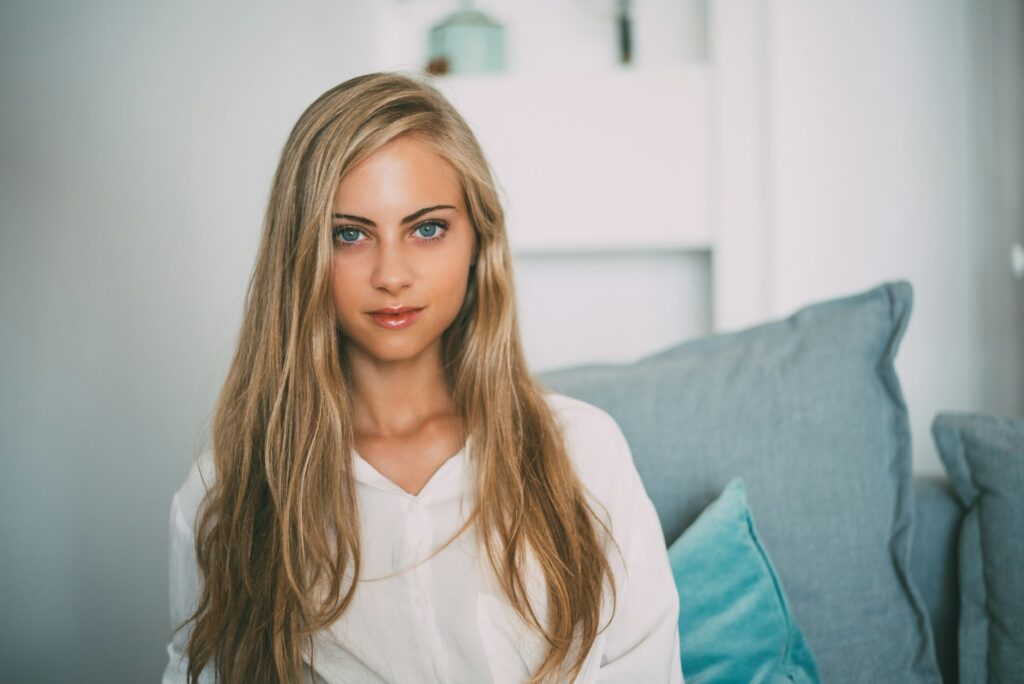
Going from dark hair to blonde can feel like one big transformation, but the best result often starts with a series of smaller decisions. How much lift your hair can handle, what color is already in the lengths, and how light you want to go all shape what is realistic in a single visit. Your first session can still make a dramatic difference, even when it is only the first step toward your final shade.
With blonding in Sarasota, your starting color is only part of the story. Previous box dye, salon color, old highlights, texture, current condition, and your target shade can all change how your hair responds to lightener. A soft caramel blonde and an icy pale blonde also require very different amounts of lift.
A more useful question is, “What is the best path from my current hair to the blonde I actually want?” That usually leads to a more realistic timeline, better-looking in-between stages, and a final result that is easier to maintain.
Why Dark-to-Blonde Color Often Works Best in Stages
Dark hair contains more natural pigment, so creating a much lighter result means removing more of that pigment during the lightening process. As hair lifts, warm red, orange, and yellow tones often become visible before you reach a pale blonde. Those warmer stages are normal and help show where your hair is in the process.
The bigger question is how far your hair can comfortably lift in one appointment. Strong, untreated hair may respond very differently from hair with years of dark permanent color through the lengths. A staged plan lets each appointment have a clear job: create brighter dimension, remove some depth, then build on that progress once we see how evenly the hair lifted and how it feels afterward.
What Determines Your Blonding Timeline?
Your timeline comes down to the distance between your starting point and your goal, plus the chemical history and current condition of your hair.
| Starting point | Why it changes the plan | First-session priority |
| Natural dark hair with little or no color history | Usually lifts more predictably, although the amount of lift still varies | Create controlled brightness and assess how the hair responds |
| Dark permanent or box color | Artificial pigment can lift unevenly and reveal strong warmth | Remove depth gradually and work toward an even result |
| Previously highlighted or lightened hair | Different sections may have different strength and color history | Protect lighter areas while building brightness where needed |
| Dry or fragile hair | Hair condition may limit how much additional processing makes sense | Prioritize strength and use a more gradual lightening plan |
This is why two people with the same dark-brown starting shade can leave their first appointments at different levels of brightness. What has been done to the hair before today matters just as much as what you see in the mirror now.
A consultation should give you a realistic first target as well as the bigger plan. You should know what we are aiming for at the first appointment, what may need another stage, and how maintenance fits into the result you want.
A Good First Session Can Still Make a Big Difference
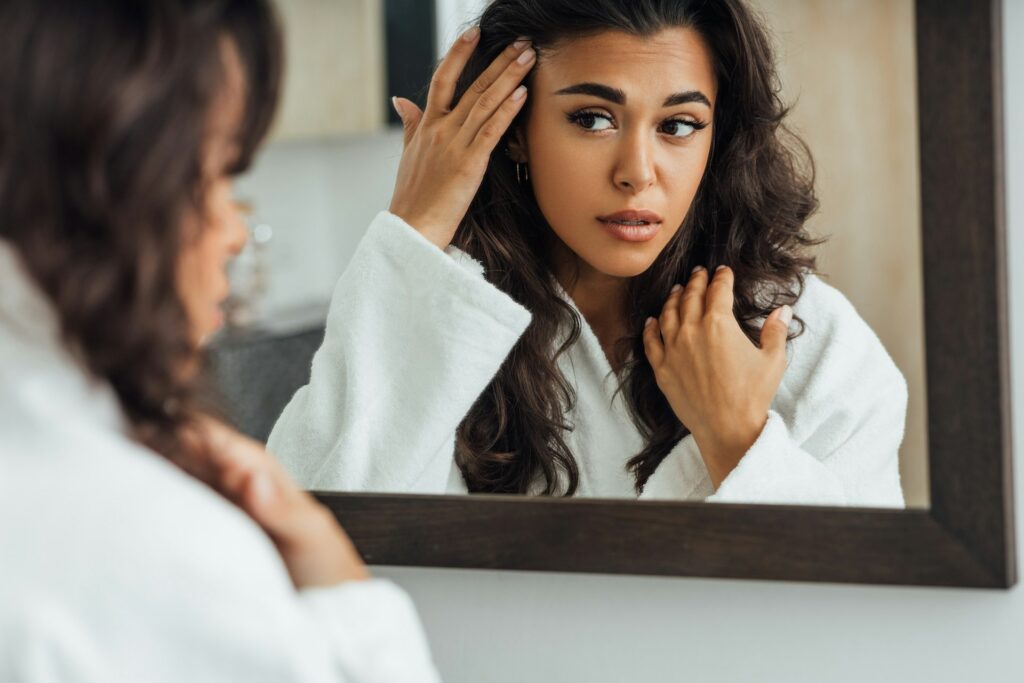
A multi-session plan can still make your first appointment feel transformative. Depending on your hair and your goal, that first session may bring in lighter face-framing pieces, caramel or honey dimension, a softer brunette-to-blonde blend, or a brighter overall look that keeps some depth.
Those in-between colors can be beautiful on their own when the tone is chosen intentionally. You also get time to live with more brightness before committing to a very light blonde. You may discover that you love a dimensional bronde or warm blonde more than the platinum photo you started with, or you may decide to keep moving lighter at the next appointment.
What to Tell Your Colorist Before You Start
The more complete your color history is, the better your blonding plan can be. Bring your inspiration photos, but also be ready to talk about what your hair has been through.
- Your natural color and how long your current color has been growing out.
- Any permanent, demi-permanent, box, or salon color used on your hair, even if it was months ago.
- Previous highlights, bleach, color corrections, keratin, or smoothing services.
- Areas that already feel fragile, dry, stretchy, or prone to breakage.
- How often you use hot tools and how much maintenance you realistically want at home.
- Your ideal shade of blonde, plus photos showing tones you like and tones you want to avoid.
A good consultation turns that information into a plan you can understand. It should also leave room to adjust the goal if your hair would benefit from a slower route.
How to Protect Your Progress Between Sessions
The time between blonding appointments is part of the color plan. Once hair has been lightened, it usually benefits from gentler handling, consistent conditioning, heat protection, and products designed for color-treated hair.
If your blonde includes balayage, our guide to balayage maintenance covers washing, toning, heat protection, and Sarasota-specific factors such as sun and swimming. Those habits matter even more when you are planning another lightening session because the condition you bring back to the chair affects what we can comfortably do next.
Your tone may also shift between appointments. Warmth can often be refined with a gloss or toner while you continue building toward the final level of brightness. Keeping the hair looking intentional between sessions makes a longer blonding plan much easier to enjoy.

Build a Blonde Plan Around Your Hair and Your Goals
Going blonde from dark hair can be a dramatic change, and the strongest plans start with the hair in front of us. During a consultation, we look at your current color, previous chemical services, hair condition, inspiration photos, and the amount of maintenance you are comfortable with. From there, we can talk honestly about what is realistic for your first appointment and what may make more sense as a second or third step.
We can use balayage, foilayage, traditional highlights, babylights, full-head blonding, or color-correction techniques depending on your starting point and the finish you want. We also plan for the stages in between, so a caramel, honey, bronde, or dimensional blonde can feel intentional while you work toward a brighter final result.
At Sarasota Balayage, we approach blonding as a custom color plan built around your hair history, lifestyle, and maintenance goals. If you are starting with dark or previously colored hair, book a consultation and bring the photos that show where you want to go. We will map out the first step and the longer path together.